Exterior Paint and New England Weather: What Actually Protects a House
Mildew, sun, and moisture all work against exterior paint here. Prep and product choice are what push back.
September 23, 2026 · 3 min read
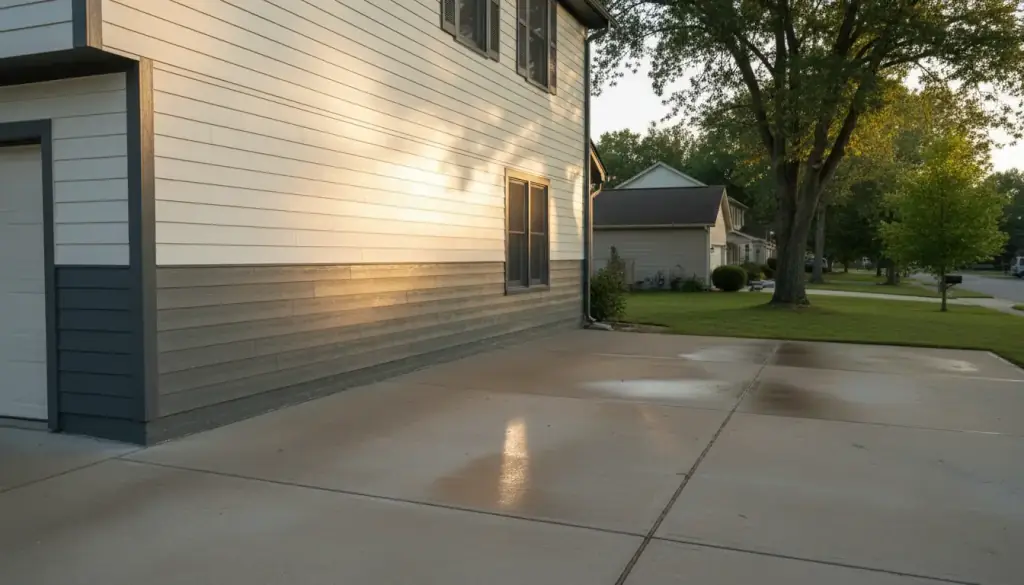
Connecticut's weather asks a lot of exterior paint. Humid summers, cold winters, and everything that comes with being close to Long Island Sound all work against a finish that looked great the day it went on. A coat of exterior paint that would hold up fine in a drier, milder climate can start failing here within a few years if the prep underneath it was rushed. F&F Painting Company's exterior process, published on their site, is built around exactly this problem: protecting a home's paint job against New England's weather rather than just applying color and hoping it holds.
Why exterior paint gives out sooner here
A few things work against exterior paint in this part of the country. Mildew grows readily in humid, shaded spots, especially on north-facing walls or anywhere tree cover blocks the sun, and it feeds on the dirt and organic grime that builds up on siding over time. Sun exposure does its own damage: ultraviolet light breaks down the pigments and binders in paint over the years, which is why an older paint job fades unevenly and can start to chalk, leaving a powdery residue on your hand if you run it across the surface. Moisture is the third problem. Water finds its way behind siding and trim through small gaps and hairline cracks, and when Connecticut winters bring that moisture to freezing, it expands and pushes paint loose from underneath, sometimes in sheets.
Washing comes before anything else
F&F's exterior process starts with removal of all dirt, mildew, and grime build-up by thorough power washing, and that order matters. Paint applied over dirt, mildew, or chalky old paint doesn't bond to the wall itself, it bonds to whatever's sitting on top of the wall, and that layer eventually lets go, taking the new paint with it. A wash before painting isn't a cosmetic step. It's what gives the paint a surface it can actually grip.
Protecting the property and prepping what's underneath
Drapes and drop cloths go down under all painting areas to protect the property while work is happening. From there, the process calls for priming all areas as needed, filling nail holes, and making sure every surface is sanded, smoothed, and free of imperfections before paint goes on. Skipping prep to get to the painting faster is one of the most common shortcuts in this trade, and it's usually the reason a paint job that looked fine at handover starts peeling within a couple of seasons.
Caulking against the elements
The process also includes applying caulking to any areas that need filling or re-caulking, specifically to seal against the elements. Gaps around trim, window frames, and siding joints are exactly where water gets in, and once it does, Connecticut's freeze-thaw cycles turn a small leak into a bigger problem fast. Caulking is a small, unglamorous step that does a lot of the actual work of keeping a house dry.
Sun and shade treat the same house differently
The same house often needs different attention on different sides. A south or west facing wall takes the brunt of direct sun through the afternoon, so that's usually where fading and chalking show up first. A north facing wall barely sees direct sun at all, which sounds like an advantage until you consider that it also stays damp longer after rain or morning dew, and damp, shaded surfaces are exactly where mildew takes hold fastest. A wall tucked behind trees or shrubs picks up extra grime from dripping leaves and reduced airflow on top of that. None of this means one side of the house gets skipped, it just means a thorough exterior job treats each elevation on its own terms rather than assuming the whole house weathers the same way.
What goes into choosing the paint itself
F&F says they weigh six things when selecting paint or stain for a home:
- Mold and mildew resistance
- Long-term durability
- UV radiation resistance
- Ease of application
- Being environmentally responsible
- Color consultation
Given what New England weather does to a house, the first three on that list aren't marketing language, they're a direct response to the mildew, sun, and moisture problems above. A paint that resists mildew, holds its color under UV exposure, and stays flexible through freeze-thaw cycles is going to outlast one chosen on looks alone.
If your home's exterior in Trumbull or anywhere else in Fairfield County is due for a repaint, F&F Painting Company can walk you through how their prep and product choices would apply to your house. Call (203) 583-0119 or visit /contact.
F&F Painting Company, (203) 583-0119
Call (203) 583-0119More articles
What Goes Into a Thorough Interior Paint Job
F&F Painting's own 12-step interior process, explained step by step for anyone about to repaint a room.
Painting Kitchen Cabinets: What Actually Makes It Work
Cabinets get touched, wiped, and bumped far more than any wall. The process has to account for that.